
Children's Products
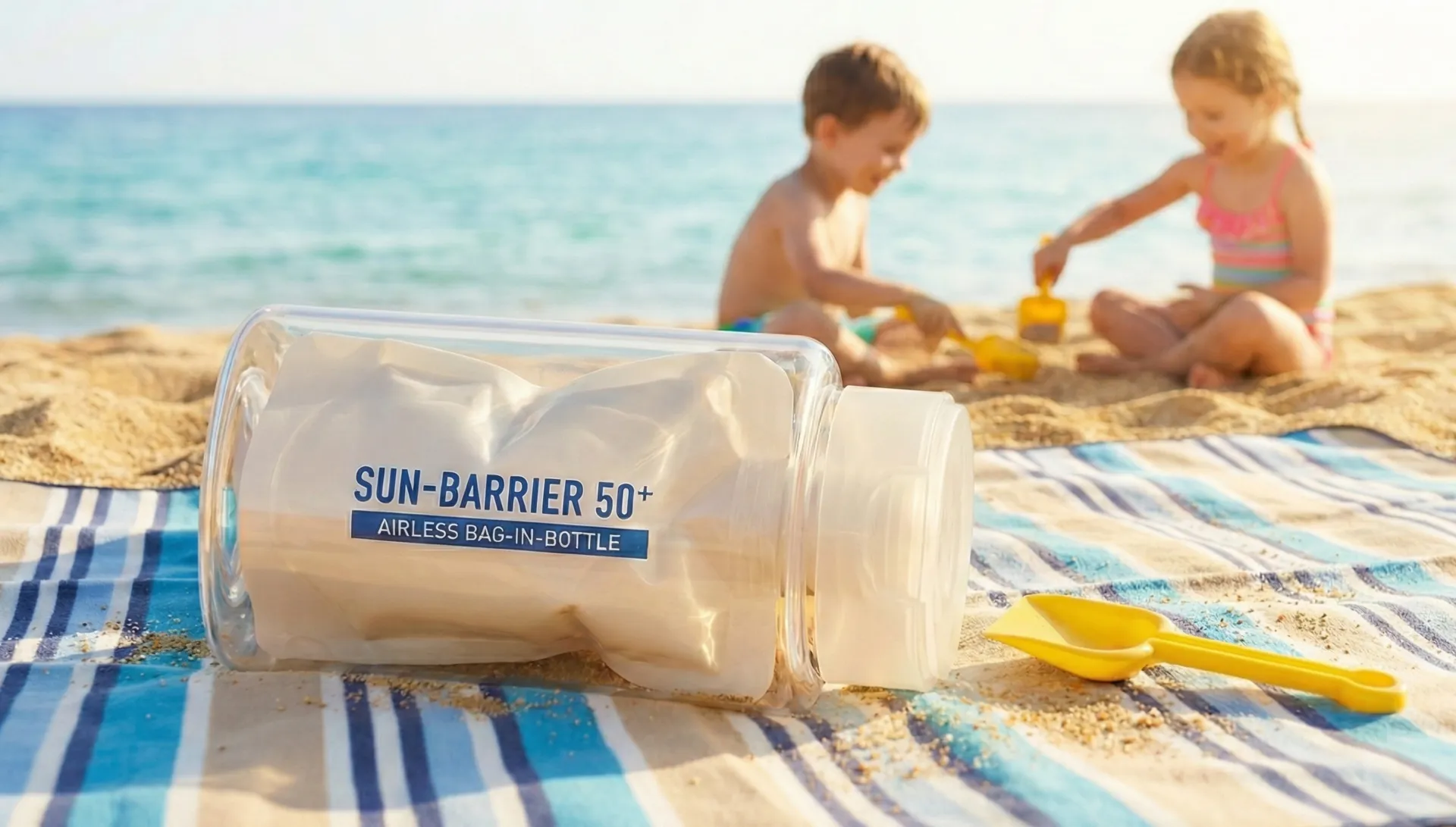
Half the sunscreen left in the bottle but nothing comes out. Toothpaste tubes rolled and squeezed flat with product still trapped inside. Food pouches thrown away half-finished because air got in. Kids waste more product than they use. Anti Gravity Bottle gets every last drop out, keeps food fresh between servings, and dispenses cleanly at any angle.
The Problem
Single-Serving Waste
Children's food pouches are designed for one use because air enters after opening, starting bacterial growth. A toddler who eats half a pouch forces a choice: waste the rest or risk feeding contaminated food. Parents throw away billions of half-finished pouches every year.
The average toddler wastes 20-30% of pouch contents per serving
Squeeze-and-Splatter
Kids squeeze pouches unpredictably. Pressure buildup from temperature changes (lunchbox in a hot car, freezer-to-bag transitions) causes spurts and messes. Parents learn to open pouches away from clothing, which defeats the convenience premise.
Packaging Waste at Scale
Children's food pouches are multi-layer laminate (plastic + aluminum + adhesive) and are not recyclable in most municipal systems. The US alone generates hundreds of millions of used pouches annually. Larger, multi-serving pouches would dramatically reduce packaging per serving.
The Anti Gravity Bottle Advantage
Multi-Serving Pouches (Finally)
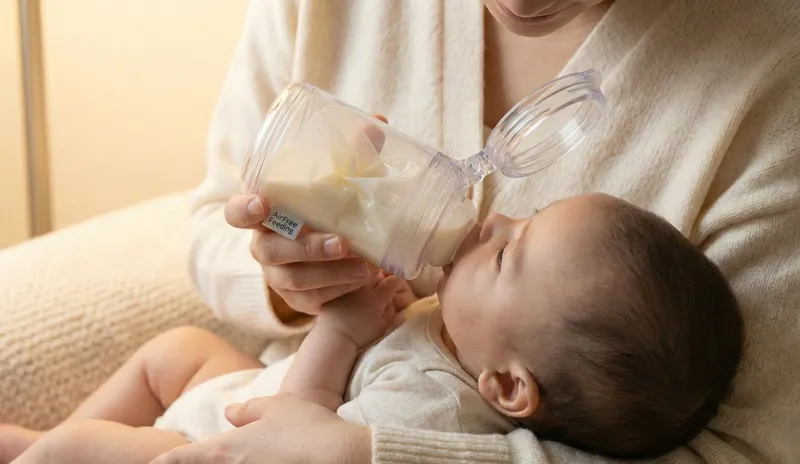
Air never enters the inner bag after opening. A toddler can eat half a pouch at lunch and finish it at dinner. Parents portion freely without contamination risk. Brands can sell larger, more economical sizes.
No More Squeeze Explosions
The dual-state cap equalizes pressure during storage. No buildup from heat, altitude, or being sat on in a backpack. When a kid squeezes, the product comes out evenly, not in a pressurized burst.
Reusable Outer, Replaceable Inner
Kids keep their favorite bottle. Parents buy replacement pouch refills. Less packaging waste per serving, lower cost over time, and a recurring revenue model for brands.
Orientation Independent
Kids hold things sideways, upside-down, and at every angle in between. Anti Gravity Bottle dispenses consistently regardless of orientation. No more teaching a three-year-old to hold the pouch the right way.
Non-Plastic Inner Bag Option
For health-conscious parents, the inner bag can be made from non-plastic materials, which could eliminate microplastic contact with food. The outer container provides durability while the inner bag provides safety.
Market Opportunity
Market Size
$2-3B
Growth
7.2% CAGR in children's food pouches
The children's food pouch market is growing fast but the single-serving format is an inherent limitation of current packaging. Multi-serving capability would unlock larger SKUs, reduce packaging cost per serving, and address growing parent concern about both food waste and plastic waste.
Current Approaches vs. Anti Gravity Bottle
Current Approach
Single-serving foil-laminate pouches with twist caps. Some brands offer reusable pouch systems (Squooshi, WeeSprout) but these are fill-at-home containers, not branded product packaging. No major brand offers a multi-serving pouch.
Limitations
Single-serving pouches cannot prevent air contamination after opening. Reusable pouch systems require parents to prepare and fill their own food, losing the convenience of pre-packaged products. No current design addresses pressure equalization, meaning lunchbox and travel scenarios cause leaks and messes.
The Anti Gravity Bottle Difference
Anti Gravity Bottle enables brands to sell pre-packaged multi-serving children's food for the first time. The sealed inner bag prevents contamination between servings. Pressure equalization prevents mess during transport. The replaceable pouch model reduces packaging waste while creating a recurring revenue stream for brands.
Why Now
Children's food pouch sales are growing 7.2% CAGR. Parents are increasingly vocal about single-use packaging waste. GoGo squeeZ and similar brands have proven the squeeze-pouch format at scale. The missing piece is multi-serving capability, which Anti Gravity Bottle uniquely enables.
Related Industries
Ready to Explore Licensing?
Get the full technical white paper with market data, implementation roadmap, and licensing models.
Request White Paper