
Baby Bottles & Infant Feeding
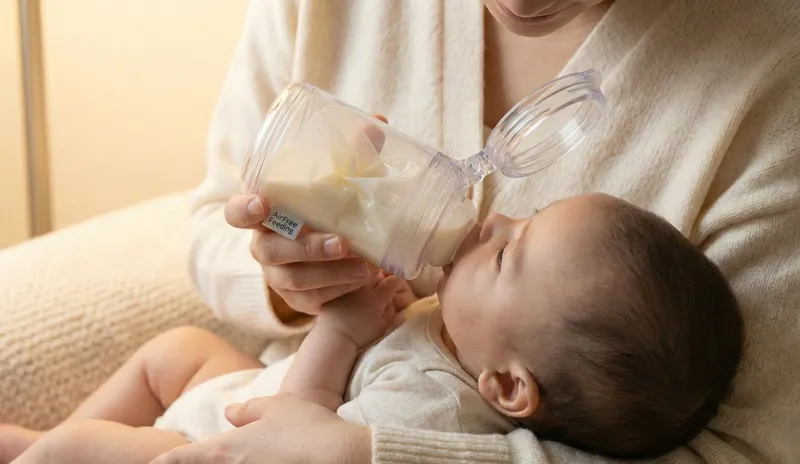
Every night, millions of exhausted parents stumble to the kitchen to measure, mix, and warm powder formula. They do this because liquid formula, the sterile and safer option, spoils in 24-48 hours once opened. Anti Gravity Bottle changes the equation entirely: pre-filled sterile formula pouches clip into a reusable bottle. No mixing. No measuring. No sterilizing the interior. The baby's suction collapses the bag naturally. Formula never touches air or plastic.
The Problem
The 3 AM Formula Routine
Making a bottle from powder takes 7-10 minutes: boil or filter water, measure precisely, scoop powder (wrong ratio is dangerous), shake to mix, warm to body temperature, test on wrist. Half-asleep parents do this 3-5 times per night. Automated mixers like Baby Brezza help but still use non-sterile powder and still require cleaning, refilling, and maintenance. There is no true grab-and-feed solution on the market today.
7-10 minutes per bottle, 3-5 times per night
Powder Is Not Sterile. Liquid Spoils Too Fast.
Powder formula cannot be pasteurized during manufacturing. Cronobacter sakazakii thrives in dry environments. The 2022 Abbott/Similac crisis (2 infant deaths, national shortage) exposed this danger. The CDC recommends liquid formula for premature and immunocompromised infants because it is sterile. But once a liquid container is opened, air enters, bacteria follow, and parents have just 24-48 hours before it must be discarded. A 32 oz container takes 6-8 feedings to finish, so families waste formula constantly.
Powder: not sterile. Liquid: spoils in 24-48 hours once opened.
55 Million Microplastic Particles Per Liter
Polypropylene baby bottles release up to 16.2 million microplastic particles per liter at room temperature. When heated for formula preparation, that number jumps to 55 million. These nanoplastics cross biological barriers, enter the bloodstream, and reach developing organs. A February 2025 study found significantly higher microplastic pollution in placentas from premature births. Class-action lawsuits were filed against Philips Avent and Dr. Brown's in 2024.
55 million microplastic particles per liter when heated
The Anti Gravity Bottle Advantage
Pre-Filled Pouch. Clip In. Warm. Feed.
Pre-filled, sterile formula pouches clip directly into the reusable Anti Gravity Bottle housing. No mixing. No measuring. No scooping. No sterilizing the bottle interior, because formula never touches it. At 3 AM, a parent grabs a pouch, clicks it in, warms the bottle, and feeds. The entire process takes under two minutes. Think of it as a Keurig for baby formula: the pouch is the product, the bottle is the platform.
Suction-Driven Collapse Mimics Breastfeeding
The inward-facing one-way valve lets air backfill between the outer bottle and inner bag as the baby sucks. The pouch collapses naturally from suction alone, mimicking the mechanics of breastfeeding. No squeezing needed. The baby controls the flow. Parents can gently squeeze for thicker liquids like fortified formula or liquid vitamins.
Zero Air Contact From Factory to Feeding
The formula is sealed inside the pouch at the factory and stays sealed until the baby's suction draws it out. Air never enters the product chamber. No oxidation degrading DHA and vitamins. No bacterial contamination pathway. The last sip is as fresh and sterile as the first.
Potential Zero Plastic Contact
With a medical-grade silicone or biodegradable inner pouch, formula would never touch plastic at any point. No microplastics. No BPA, BPS, or phthalates. The most vulnerable consumers on earth could get zero exposure. The outer bottle can be any material, because product only contacts the pouch.
Fresh Sterile Surface Every Feeding
Each pouch is a new, factory-sealed, sterile product-contact surface. No residue from previous feedings. No scrubbing bottle interiors with brushes that harbor bacteria. No cross-contamination between batches. The durable outer bottle lasts for years; only the lightweight pouch is replaced.
Pressure-Safe for Travel and Daycare
Cap closed = air channel open = continuous pressure equalization. Pre-filled pouches travel safely in diaper bags at any altitude, in hot cars, or on airplanes. No leaks, no pressure-induced spurts. Send sealed pouches to daycare; caregivers just clip in and feed. No preparation training needed.
Market Opportunity
Market Size
$5.1B RTF segment (2023), $9.3B projected by 2032
Growth
7.5% CAGR
Ready-to-feed is the fastest-growing formula segment because parents want sterile liquid. The 2022 Abbott crisis accelerated distrust of powder. But RTF is 2-7x more expensive than powder, largely due to spoilage waste. Pre-filled PESD pouches solve the waste problem (single-serving, sealed until feeding) while delivering the convenience parents actually want: zero preparation. The anti-colic bottle category ($500M+) proves parents pay premium for better feeding technology. Anti Gravity Bottle leapfrogs that entire category.
Current Approaches vs. Anti Gravity Bottle
Current Approach
Powder mixing (manual or automated via Baby Brezza), vent-based anti-colic bottles (Dr. Brown's, Philips Avent AirFree), collapsible silicone bags (Suavinex Zero Zero), and single-use RTF bottles (Similac, Enfamil). Parents choose between tedious preparation or expensive waste.
Limitations
Automated mixers still use non-sterile powder and require daily cleaning. Vent-based bottles reduce but don't eliminate air; they add hard-to-clean parts. Suavinex's collapsible bag relies solely on suction with no pressure equalization, so the baby works harder as the bag empties. Single-use RTF bottles are convenient but expensive and generate significant plastic waste. No existing product combines the sterility of liquid, the convenience of zero preparation, and the economics of a reusable platform.
The Anti Gravity Bottle Difference
Anti Gravity Bottle is the only system where formula could arrive pre-filled in a sealed pouch, clip into a reusable bottle, dispense via natural suction, and never contact air or plastic. The dual-state cap adds pressure equalization no competitor offers. It could eliminate formula preparation entirely while being safer (sterile, potentially plastic-free with non-plastic pouches), more convenient (clip and feed), and more economical (reusable bottle, single-serving pouches eliminate waste) than any existing approach.
Why Now
The 2022 Abbott/Cronobacter crisis killed two infants, triggered a national formula shortage, and permanently damaged parent trust in powder. Ready-to-feed is now the fastest-growing segment at 7.5% CAGR. The 2024 microplastics lawsuits and February 2025 placenta study have made plastic-free feeding urgent. Premium DTC formula brands (Bobbie, ByHeart) are raising hundreds of millions to disrupt the category with better ingredients; none have reimagined the delivery system. The market is ready for the Keurig moment in infant feeding: a reusable platform with pre-filled, sterile, single-serving pods. Anti Gravity Bottle is that platform.
Related Industries
Ready to Explore Licensing?
Get the full technical white paper with market data, implementation roadmap, and licensing models.
Request White Paper